For most of the platforms we work with, age verification exists to answer one question: is the person on the other side old enough to be here. On a generative-AI platform, the events of 2026 added a second question that an age gate was never built to answer. Not “is this user an adult,” but “who is accountable for what this account generates.” Those are different problems, they need different controls, and the ones being conflated right now are the expensive ones.
The catalyst was ugly and specific. In late December 2025, xAI shipped an image-editing feature in Grok, and within days users were generating sexualized images of real women and girls who never consented, including material regulators classed as child sexual abuse material (TechPolicy.Press). That was not an isolated app. In January 2026 the Tech Transparency Project counted more than a hundred “nudify” tools across the two major app stores, roughly 47 on Apple’s and 55 on Google’s, with over 705 million combined downloads and an estimated $117 million in revenue. Some of them carried age ratings that let young teenagers install them (Tech Transparency Project). By July 2026 the pressure was regulatory: after the San Francisco City Attorney demanded action, Apple and Google purged and suspended nudify apps at scale (TechCrunch), and Senator Ossoff had already written to Apple, Google, and X asking why the apps were listed at all (letter).
If you build or host any text-to-image or text-to-video capability, the takeaway is not “nudify apps are bad.” It is that the legal environment around generative media just reoriented from protecting your users to protecting the people your users can now target. That reorientation is the whole reason age verification alone stops being sufficient.
The law moved the obligation off your user and onto everyone else
Age assurance regulation, the kind we have written about for social platforms and the UK Online Safety Act, is about the user in front of you. Keep minors out of adult content, keep the wrong experiences away from children. A good age gate does that job. It says nothing about the third party who is not in the session at all: the classmate whose photo gets fed into an undress tool, or the child turned into synthetic CSAM by someone who will never appear in your session logs.
Two laws now put that third party at the center. In the United States, the TAKE IT DOWN Act was signed on 19 May 2025, and by 19 May 2026 covered platforms had to run a notice-and-takedown process for non-consensual intimate images, including AI-generated ones, removing reported material and known copies within 48 hours, under FTC enforcement (FTC, Skadden). In the EU, lawmakers reached a provisional deal in May 2026 to amend the AI Act and prohibit placing on the market or using AI systems that generate non-consensual sexual imagery, extended explicitly to AI-generated child sexual abuse material, with the prohibition and a watermarking requirement due to bite on 2 December 2026 (Euronews).
Read those obligations against an age gate and the gap is obvious. A 34-year-old passes any age check you can build. He is exactly who these laws are about. The control that matters for him is not “prove you are over 18.” It is “we know who you are, and this output is traceable to you.” That is an identity problem, and it is a harder and more expensive one than age.
Three controls platforms are collapsing into one
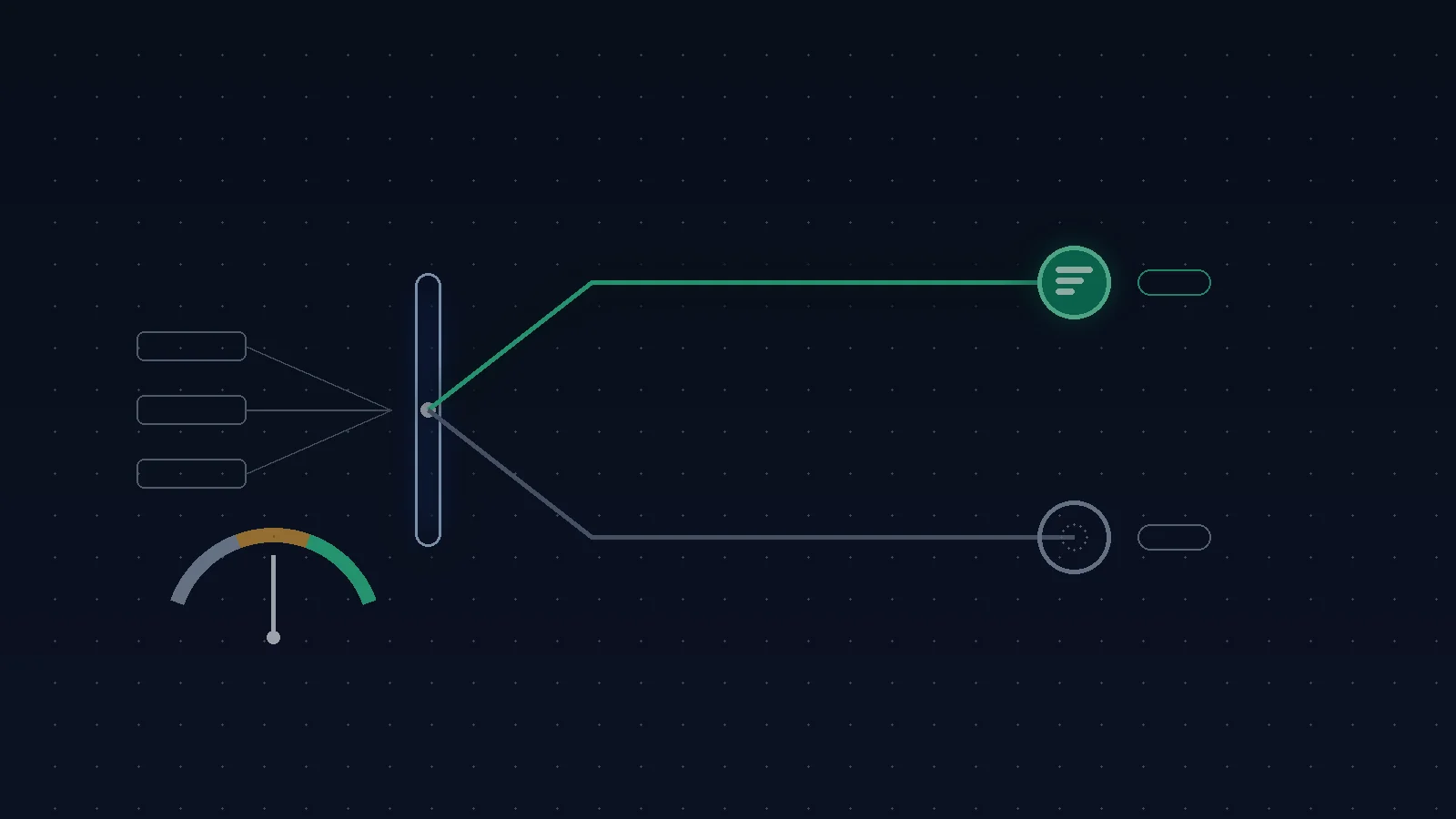
Most generative stacks that bother with verification treat it as a single gate at signup: confirm the user is an adult, then let them generate. That folds together three controls that do different jobs. They cost different amounts, and they belong at different points in the flow.
The first is age. Is this user old enough to use the tool at all. For a general-purpose image generator this is often a light touch; for anything that can produce sexual or violent content it is a hard floor. Either way it is a fast, cheap check, and it belongs at the entrance.
The second is accountability. Is this account bound to a real, verified person, so that if it produces illegal output there is a name attached and a subpoena has somewhere to land. This is the control the 2026 laws effectively demand, and it is not the same as age. It is identity, tied to a genuine document, and it is the expensive question in the stack.
The third is output provenance. Is the generated artifact itself watermarked, hashed, and checkable, so a downstream platform can tell it was synthetic and trace it back. The EU amendment makes this explicit with its watermarking mandate. This one is not an identity check at all. It is a content-layer control, and pretending your verification vendor covers it is how compliance gaps get written into architecture diagrams.
Keep them separate and you can put each where it costs least and protects most. Collapse them and you either over-verify everyone at signup, which kills the funnel, or you under-verify the accounts that actually generate harm, which is the failure the regulators are now fining.
Where each check belongs in a generation flow
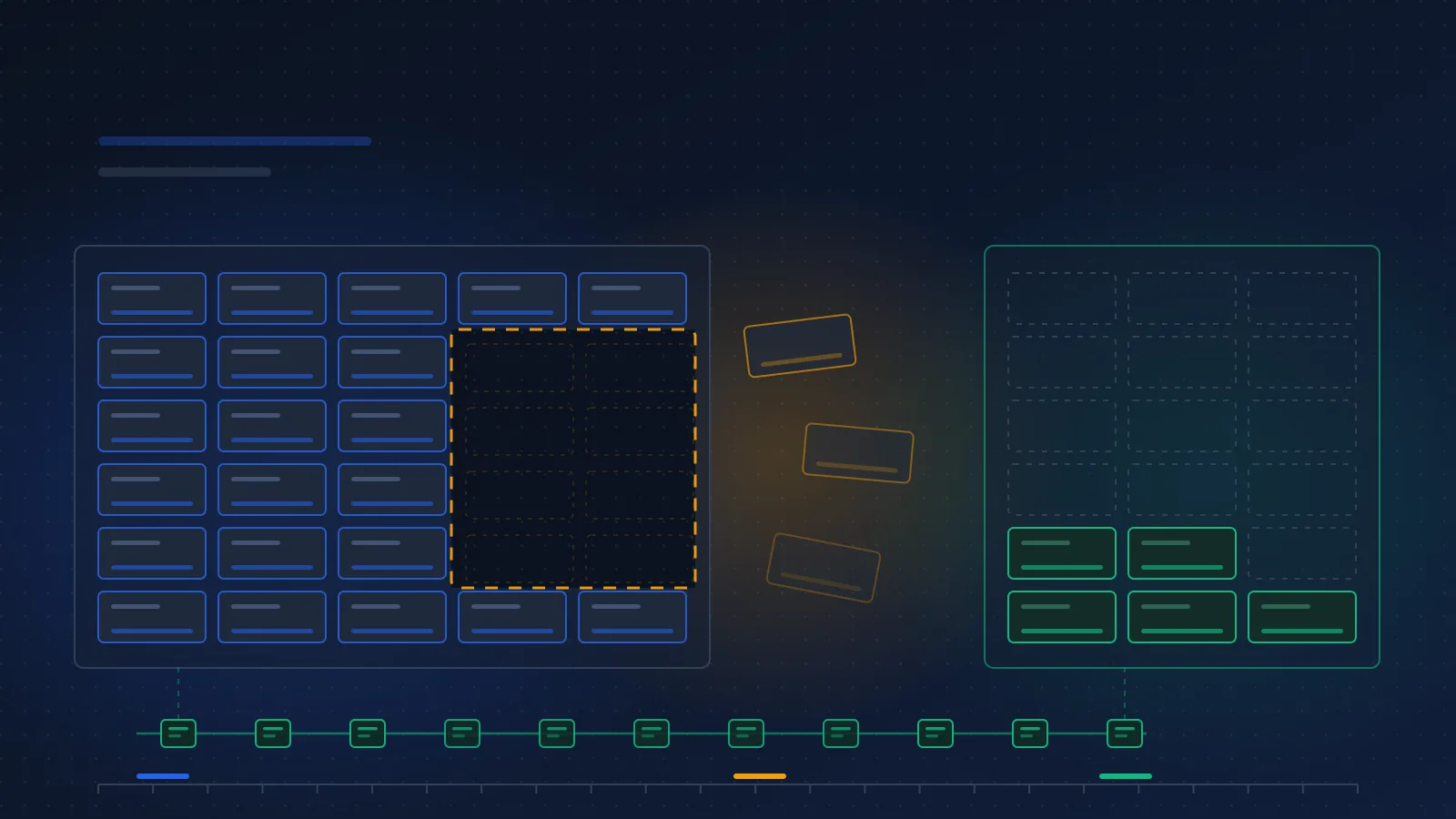
The instinct after reading the paragraph above is to run full document verification on every new account. Resist it. Most people who sign up for an image tool never generate anything remotely risky, and forcing an ID scan on all of them pays for expensive Verifications on users who would have converted on a lighter check. The fix is to place the controls by risk, not by signup.
Lead with a Check at the door. A Check is the cheap operation, roughly an order of magnitude below a document scan: a browser-based age signal, a liveness pass, a returning-user lookup, or a hand-off to an existing Xident ID, fast enough to sit inside onboarding without gutting it. For a general-audience tool that is the entire age story, and no document changes hands. It closes the underage problem at the moment a self-typed birthday used to be the only gate.
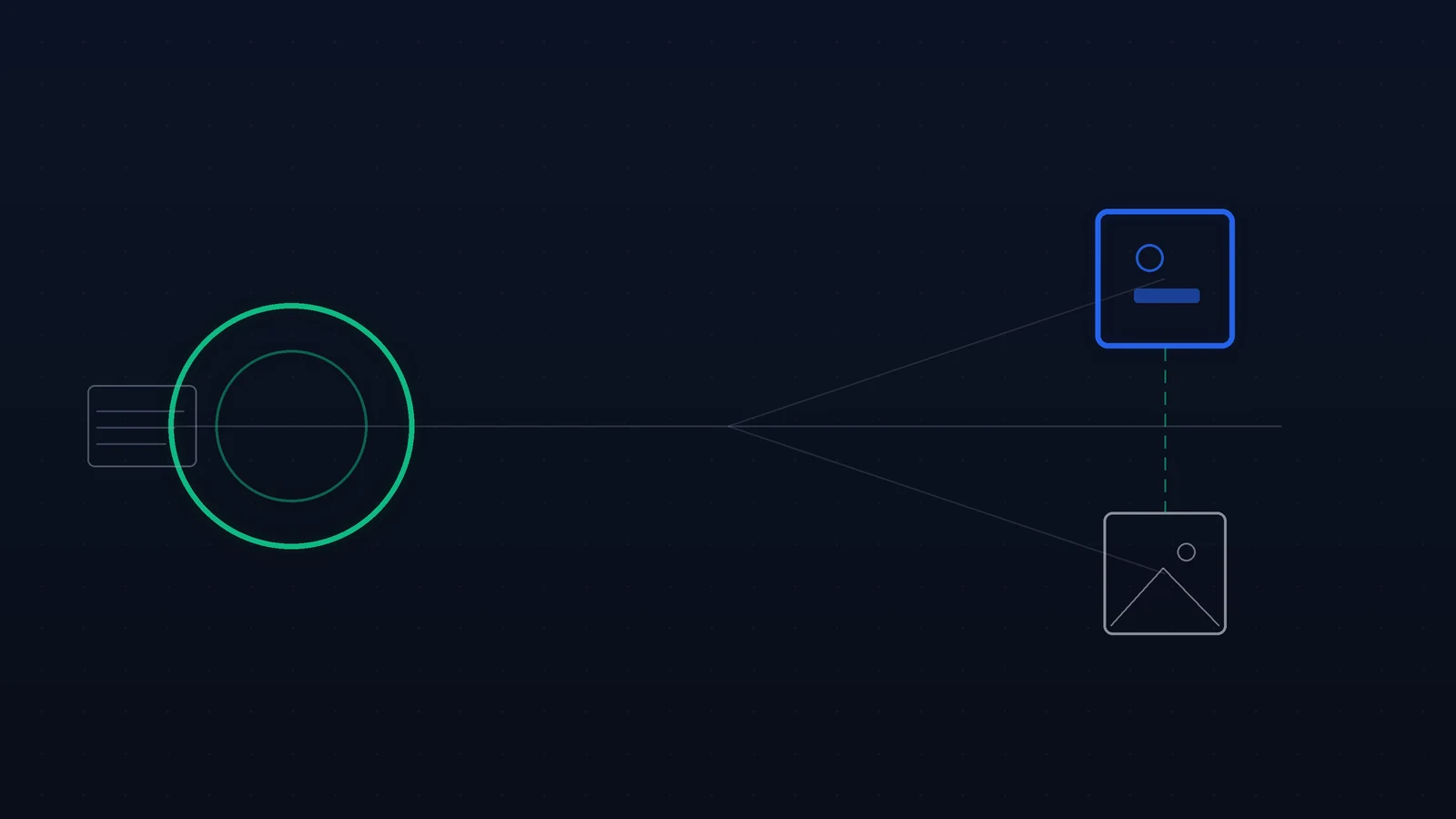
Reserve the full document Verification, OCR plus face match against a genuine ID, for the surfaces where third-party harm actually becomes possible. That is not “signup.” It is the photorealistic edit of an uploaded photo of a real person, the video-generation path, the export or download of a high-fidelity render, the point where output leaves the sandbox and can be published. Bind the verified identity to the account at that step and keep it bound. Unlike a payout-triggered check, this identity has to persist, because its whole purpose is to still be attached six months later when a takedown notice arrives.
Two engineering choices decide whether the heavy path survives contact with real adversaries. First, do not trust a photo of a card. AI-generated IDs cost a few dollars now and clear naive upload-and-selfie flows on the first try, a failure mode we walked through in synthetic-ID fraud, and the population most motivated to evade an accountability gate is exactly the one that will reach for a fake. An NFC chip read signed by the issuing authority, or a mobile driver’s licence, beats a picture a model can fabricate. Second, assume the capture itself is under attack. Injection and deepfake presentation are the standing threat to any face step, which is the argument for a client-side, deepfake-resistant architecture rather than a video stream a synthetic feed can hijack.
The retention trap this creates
There is a real tension buried in “keep the identity bound.” Accountability wants durable identity on file. Data protection wants you holding as little as possible, because the breach wave that hit age-verification vendors this year proved that a stored ID image is not an asset, it is a liability waiting for a headline. A generative platform that responds to the 2026 laws by warehousing a government ID for every verified user has not solved accountability. It has built the next breach.
The resolution is to keep the decision, not the document. What a takedown response or a regulator needs is proof that the account cleared identity verification, when, against what class of document, and a durable reference that ties this account to that decision. It does not need the raw passport scan sitting in your bucket after the check resolves. Return identity as structured data and an audit trail, discard the source image, and you can answer “who is this account” without becoming the thing that leaks who they are. For users who come back, a reusable, cryptographically bound credential lets a verified person re-prove with a lookup instead of a fresh scan, which is both cheaper and less data to hold. The same instinct runs through our argument for verification without surveillance: the goal is a defensible decision, not a hoard of evidence.
What Xident does here, and what it does not
We verify two things and we are precise about the boundary, because a vendor that claims to cover all of it is selling you a gap. Xident runs the age Check at the door and the identity Verification at the high-risk surface, and returns each as structured data with an audit trail your trust-and-safety and legal systems can actually cite. That answers the first two of the three controls: is the user old enough, and is the account bound to a traceable, verified person. It is the same Check and Verification split we bring to AI chatbots and agentic platforms, applied to the generation pipeline instead of the conversation.
What we do not do is the third control. We do not watermark your outputs or hash-match them against known CSAM databases, and we do not moderate the content a prompt produces. That provenance-and-detection layer is a separate system, and it has to sit next to identity, not inside it. A regulator reviewing a synthetic-NCII incident will ask two things: did you know who generated this, and could the artifact itself be traced. Those are two records from two systems. Xident owns the first. Be honest in your architecture about who owns the second, keep their evidence separate, and make each one defensible on its own terms.
The platforms that get burned in the next eighteen months will be the ones that read the 2026 headlines as an age-gating story and bolted a stricter birthday check onto signup. Age was the question regulators asked in 2024. In 2026 they are asking who is responsible, and a birthday does not have a name on it.